
Description
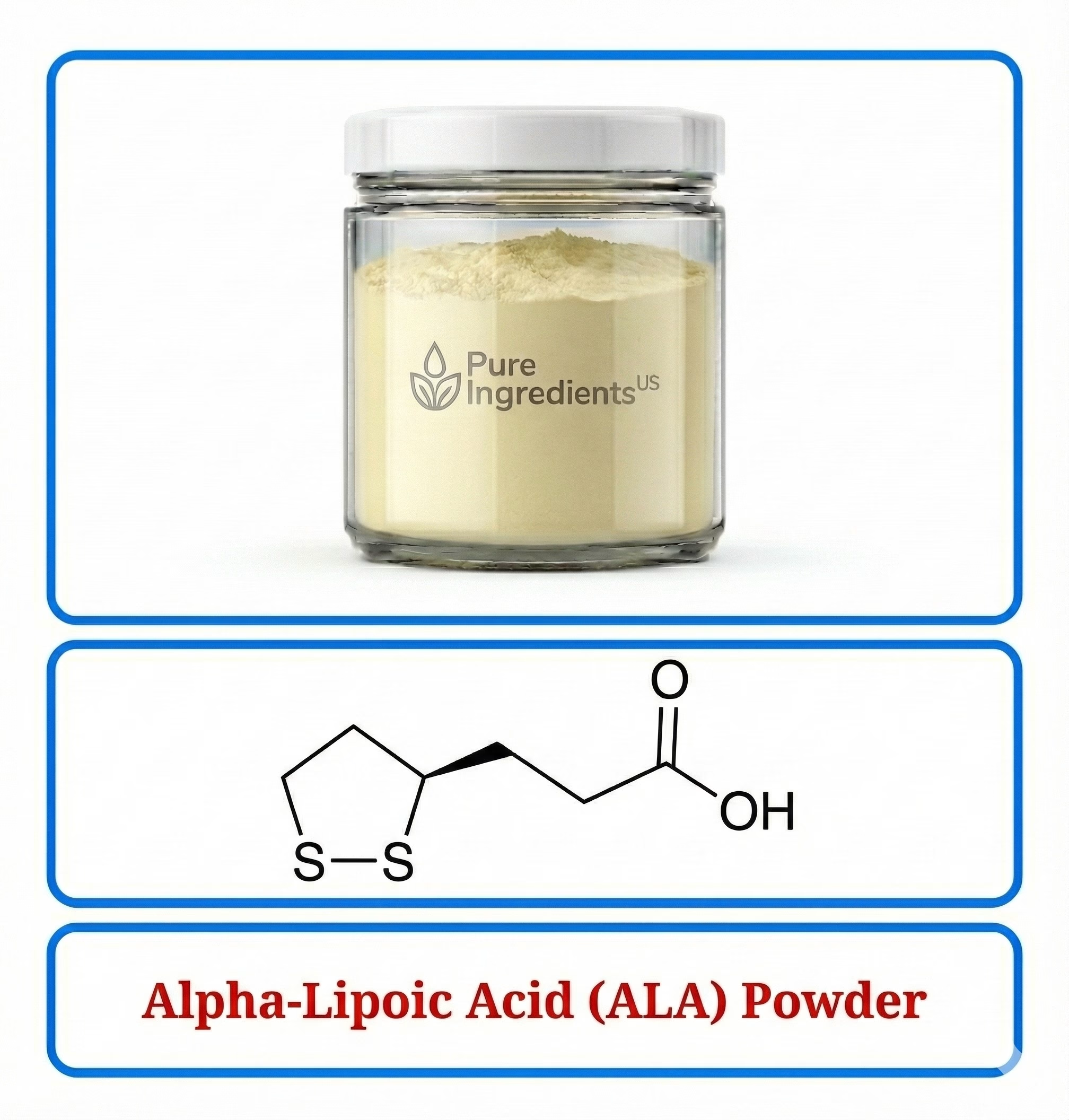
Alpha-Lipoic Acid Powder (Thioctic Acid) is a cosmetic-grade antioxidant raw material designed for advanced radiance-enhancing and visible anti-aging skincare formulations.
Product Overview
Alpha-Lipoic Acid Powder, also known by its INCI name Thioctic Acid, is a high-purity cosmetic ingredient widely used in antioxidant, brightening, and age-support skincare products. It is valued for its multifunctional antioxidant properties and its ability to be incorporated into both water-based and oil-oriented cosmetic systems when properly solubilized.
In cosmetic formulations, Alpha-Lipoic Acid helps support a smoother, brighter, and healthier-looking complexion. This ingredient is intended for professional formulation use and should not be applied directly to the skin without proper formulation.
Technical Information
| Specification | Details |
|---|---|
| INCI Name | Thioctic Acid |
| CAS Number | 1077-28-7 |
| Chemical Classification | Organosulfur compound; dithiol antioxidant |
| Molecular Formula | C8H14O2S2 |
| Physical Form | Fine yellow crystalline powder |
| Origin | Synthetic, chemically identical to naturally occurring Alpha-Lipoic Acid |
| Solubility | Slightly soluble in water; soluble in alcohols and selected glycols; oil-dispersible with suitable solubilization |
| Typical Usage Level | 0.1–1.0% |
| Recommended pH Range | 4.0–6.0 (optimal stability commonly targeted at pH 4.5–5.5) |
| Storage Conditions | Store tightly sealed and protected from light, heat, oxygen, and moisture. Recommended storage below 25°C |
Key Cosmetic Benefits
Antioxidant Skin Support
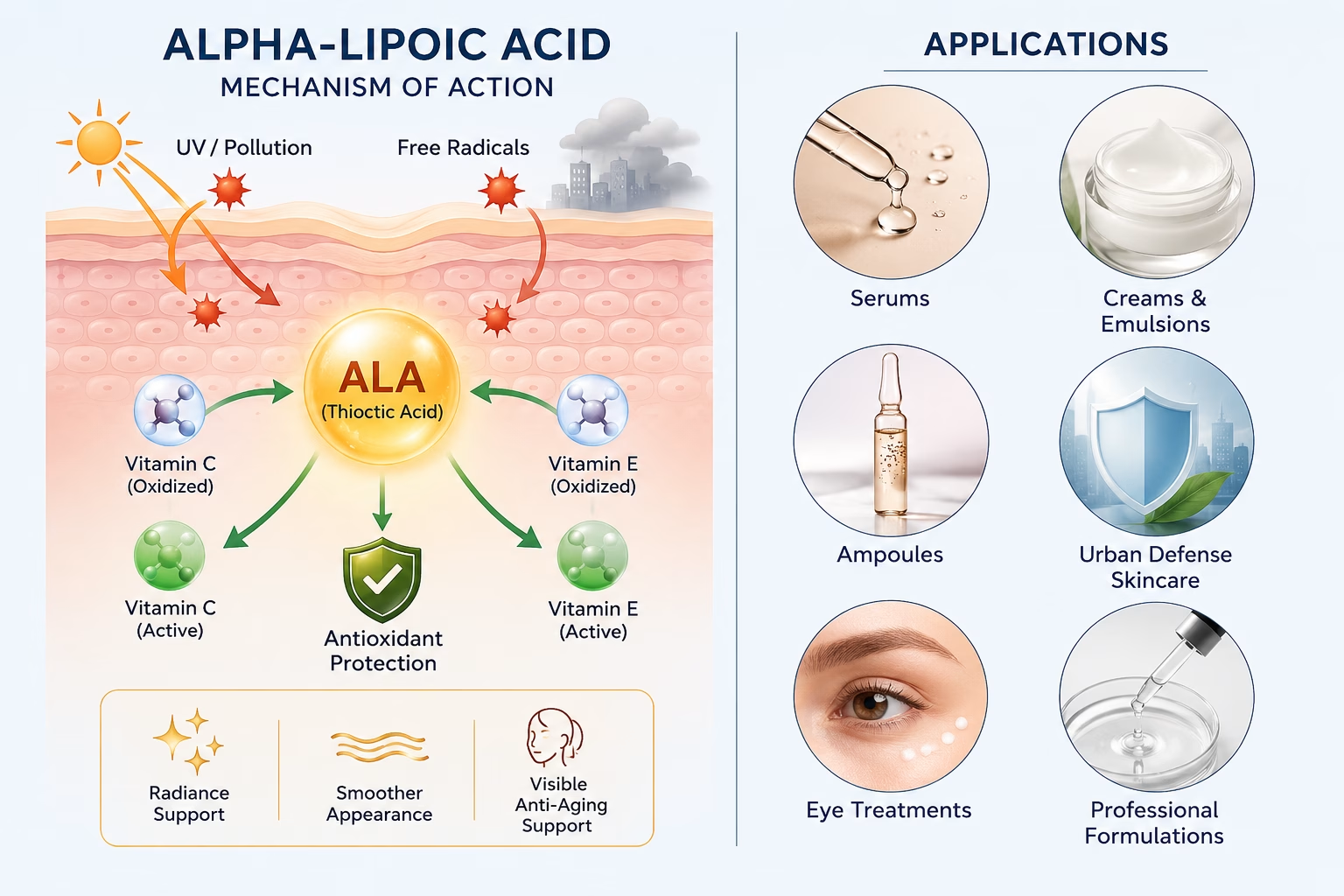
Alpha-Lipoic Acid helps support cosmetic antioxidant protection against environmental stressors such as UV exposure, pollution, and oxidative stress. In finished skincare products, it may help improve the appearance of dull and tired-looking skin.
Radiance and Tone Enhancement
Commonly used in brightening and radiance-focused formulations, Alpha-Lipoic Acid contributes to a fresher, clearer, and more luminous skin appearance while maintaining cosmetic-only claims.
Visible Anti-Aging Support
Through its antioxidant activity, Alpha-Lipoic Acid can help support smoother-looking skin, improved visual refinement, and a reduced appearance of fine lines when incorporated into a well-designed formulation.
Multi-Phase Formulation Flexibility
Although Alpha-Lipoic Acid exhibits amphiphilic behavior in biological systems, it is not freely water-soluble in powder form. Proper pre-dissolution or dispersion using suitable solvents, glycols, solubilizers, or emulsion systems is recommended.
Recommended Applications
Alpha-Lipoic Acid Powder is suitable for:
- Anti-aging facial serums
- Antioxidant creams and lotions
- Brightening ampoules
- Urban defense skincare
- Eye contour treatments
- Professional aesthetic formulations
- Advanced R&D skincare prototypes
- OEM and private-label cosmetic formulations
Recommended Usage Levels
| Application | Recommended Level |
|---|---|
| Facial Serums | 0.2–1.0% |
| Creams & Emulsions | 0.1–0.5% |
| Ampoules | 0.3–0.8% |
| Eye-Area Formulations | 0.1–0.3% |
Note: Higher usage levels may increase the risk of instability, discoloration, odor changes, or skin sensitivity. Final concentrations should always be validated through compatibility, stability, and safety testing.
Formulation Guidelines
- Pre-dissolve Alpha-Lipoic Acid in ethanol, propylene glycol, or another suitable solvent system before incorporation.
- Add during the cool-down phase, preferably below 40°C.
- Maintain the final product pH between approximately 4.5–5.5 for improved stability.
- Avoid strongly alkaline systems, particularly above pH 7.
- Protect formulations from excessive heat, oxygen, and light exposure.
- Consider using chelating agents such as EDTA to support stability.
- Airless, opaque, or light-protective packaging is recommended.
Formulation Considerations
Alpha-Lipoic Acid is sensitive to oxidation and may discolor under unsuitable processing or storage conditions. It should not be exposed to prolonged heat or high-pH environments.
When developing emulsions and serums, formulators should evaluate:
- Solubility performance
- Crystallization risk
- Color stability
- Odor development
- Preservative compatibility
- Packaging compatibility
Comprehensive stability testing is recommended before commercial launch.
Cosmetic Mechanism of Action
At cosmetic-use levels, Alpha-Lipoic Acid supports the appearance of healthier-looking skin through antioxidant activity, free-radical scavenging, and support of a balanced antioxidant system within the formulation. It may contribute to improved visible smoothness, radiance, and overall skin clarity.
Disclaimer: This ingredient is not intended to diagnose, treat, cure, or prevent any disease and does not make medical or therapeutic claims.
Regulatory & Compliance Notes
Alpha-Lipoic Acid is listed under the INCI name Thioctic Acid.
Final product compliance depends on:
- Target market regulations
- Product category
- Ingredient concentration
- Marketing claims
- Safety assessment requirements
Brands and formulators should review applicable regulations, including:
- EU Cosmetic Regulation
- FDA Cosmetic Requirements
- ASEAN Cosmetic Directive
- GCC Cosmetic Requirements
- Other local regulatory frameworks
This raw material is not intended for oral, injectable, pharmaceutical, or direct consumer use.
Why Choose Our Alpha-Lipoic Acid Powder?
We supply cosmetic-grade Alpha-Lipoic Acid Powder for professional skincare formulation, OEM manufacturing, private-label development, and advanced research laboratories.
Our Advantages
- High-purity cosmetic raw material
- Consistent batch-to-batch quality
- COA, TDS, and MSDS available
- Technical formulation support
- Regulatory documentation assistance
- Scale-up and stability troubleshooting guidance
Alpha-Lipoic Acid Powder is an excellent choice for brands developing premium antioxidant, radiance-enhancing, anti-aging, and professional skincare products.
Shipping Information
✅ Free Worldwide Shipping
Estimated delivery time: 10–15 business days, depending on destination, customs clearance procedures, and local logistics conditions.
Reviews
There are no reviews yet.