
Description
Description
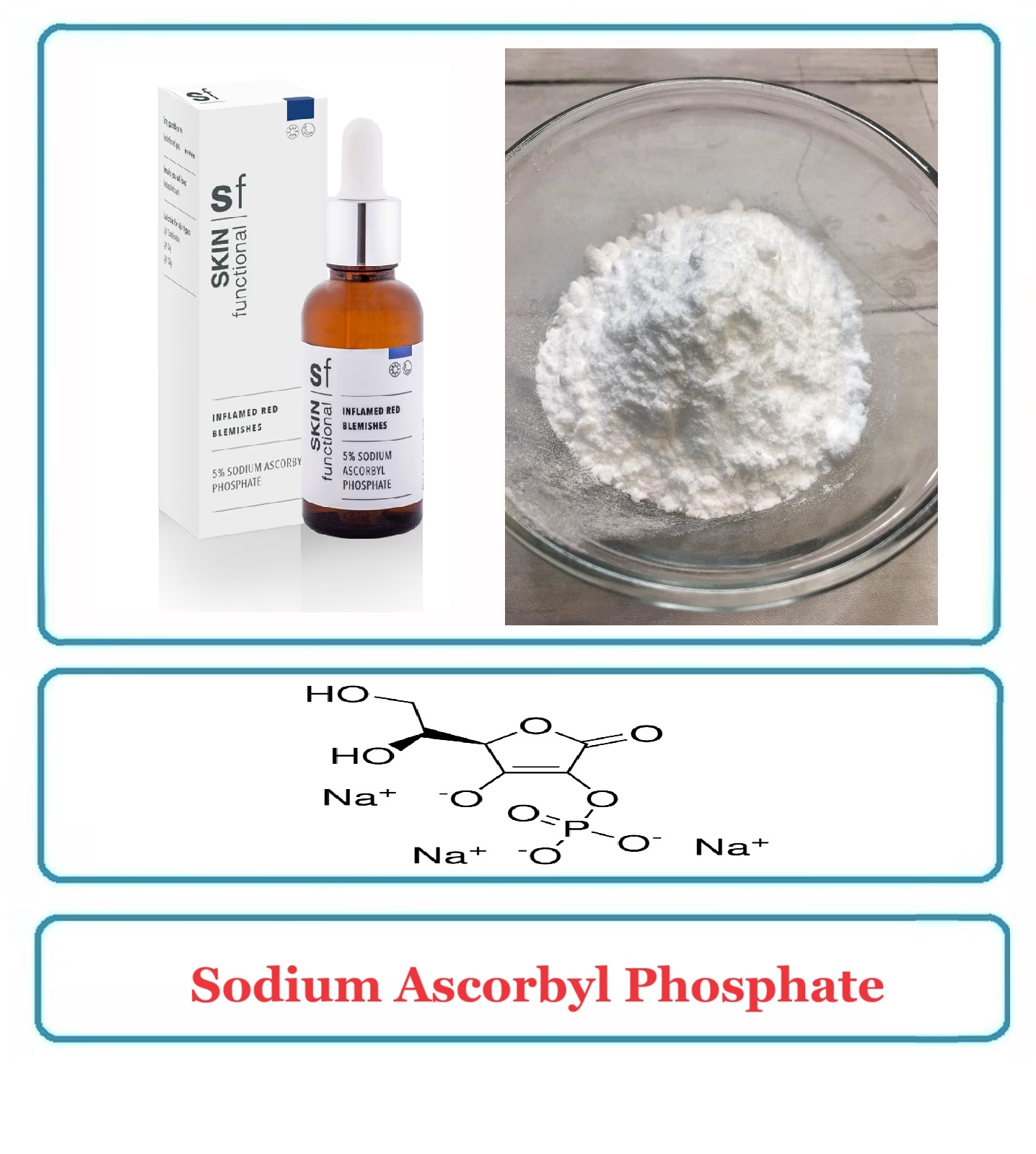
Sodium Ascorbyl Phosphate (SAP) is a phosphorylated, water-soluble vitamin C derivative designed for improved formulation stability compared with free L-ascorbic acid. It is widely used where a near-neutral aqueous system, good handling, and vitamin C positioning are required without the very low pH demanded by classical ascorbic-acid serums.
Chemical & Technical Profile
| INCI / Identity | Sodium Ascorbyl Phosphate |
|---|---|
| CAS No. | 66170-10-3 |
| Molecular Formula | C6H6Na3O9P |
| Molecular Weight | 322.05 g/mol |
| Physical Form | White to off-white powder |
| Solubility | Water-soluble; also dispersible in glycerol-containing aqueous systems |
| Functional Category | Water-soluble phosphorylated vitamin C derivative |
Mechanism of Action / Technical Function
After topical delivery, phosphatase enzymes can hydrolyze SAP and release ascorbate. The released vitamin C participates in antioxidant redox chemistry and serves as a cofactor in pathways relevant to collagen biosynthesis. SAP itself is also valued in oil-control and blemish-prone skin systems because its water compatibility allows incorporation into lightweight gels and serums without the solvent burden associated with lipophilic actives.
Formulation Guidelines
Dissolve SAP completely in the water phase or in a concentrated aqueous premix. Avoid strongly acidic conditions because phosphate ester stability and overall formulation robustness are better in mildly acidic to near-neutral systems. Incorporation below excessive process temperatures is preferred. When used with anionic or electrolyte-sensitive rheology modifiers, account for the ionic contribution of the trisodium phosphate structure; polymer viscosity may decline if the thickener has poor salt tolerance. Add polymers and SAP in an order that maintains complete hydration and prevents localized salt shock.
Compatibility & Stability
Monitor pH, color, clarity, precipitation, and viscosity through accelerated and room-temperature stability. High concentrations can increase ionic strength and interact with carbomer-like or associative thickeners. Chelating agents and appropriate antioxidant architecture can improve robustness in complex systems containing trace metals.
R&D, Scale-Up & Quality Control
Sodium Ascorbyl Phosphate Powder should be qualified against pH, clarity, color, and ionic-load response, using a retained reference where visual change is relevant.
Packaging, Shipping & Storage
Supplied in a sealed aluminum pouch. Keep tightly closed, dry, and protected from heat, light, and humidity. Avoid prolonged hot-storage conditions during distribution.
Estimated Delivery: 10–15 Business Days
Applications
Water-based brightening serums, gels, lotions, moisturizers, oil-control products, post-cleansing treatments, and multi-vitamin skin-care formulations.

J***H –
Excellent seller service