
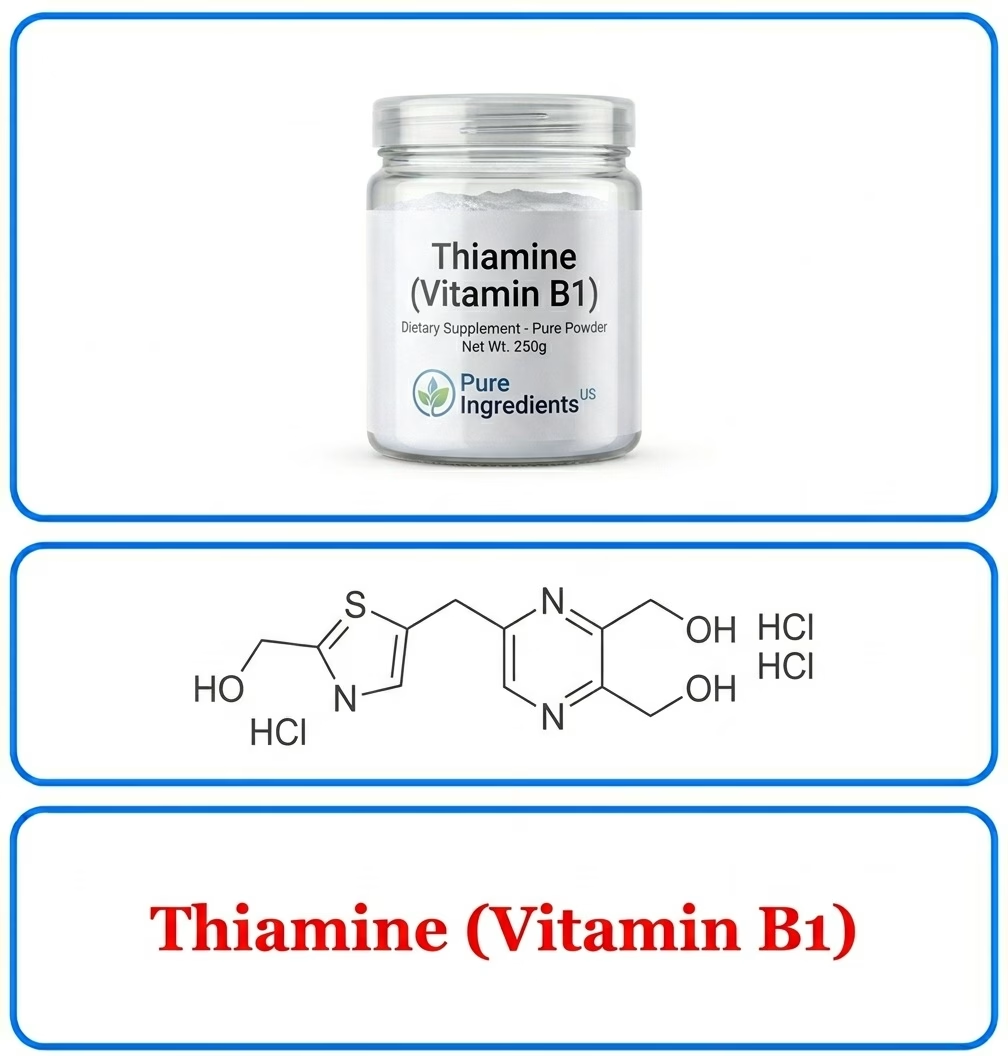
Description
Description
Thiamine is vitamin B1, a water-soluble heterocyclic vitamin containing thiazolium and aminopyrimidine functionality. Cosmetic use is less standardized than niacinamide or panthenol, but the material is relevant to vitamin-enriched skin and scalp concepts where formulators require a genuine water-soluble B-vitamin component.
Chemical & Technical Profile
| INCI / Identity | Thiamine |
|---|---|
| CAS No. | 59-43-8 |
| Molecular Formula | C12H17N4OS+ |
| Molecular Weight | 265.36 g/mol (free base cation; salts differ) |
| Physical Form | White crystalline powder; commercial cosmetic grades commonly supplied as thiamine salts |
| Solubility | Water-soluble |
| Functional Category | Vitamin B1 / skin- and scalp-conditioning active |
Mechanism of Action / Technical Function
Biochemically, thiamine is converted to thiamine pyrophosphate, a cofactor for enzymes involved in carbohydrate metabolism and oxidative energy production. Cosmetic application does not imply systemic nutritional action; its relevance is as a topical vitamin component within conditioning formulations. The ionic thiazolium structure makes thiamine highly water-compatible but also sensitive to pH and degradative conditions.
Formulation Guidelines
Dissolve in purified water and add during cool-down. Avoid strongly alkaline processing, prolonged heating, and exposure to sulfite-rich systems because thiamine is chemically vulnerable under these conditions. In clear serums, combine only after the main polymer system has hydrated. Evaluate fragrance and preservative compatibility because strongly nucleophilic or reducing environments can accelerate degradation. Do not formulate on the assumption that vitamin identity alone guarantees stability.
Compatibility & Stability
Monitor color, odor, pH, clarity, and vitamin retention where analytical testing is available. Degradation can occur without visible precipitation, particularly under elevated pH and temperature. Light-protective packaging is preferred for vitamin-rich aqueous systems.
R&D, Scale-Up & Quality Control
Critical quality attributes for Thiamine (Vitamin B1) include identity, color, odor, pH, and solution clarity. The production record should fix thiamine dissolution, low-temperature addition, and avoidance of alkaline or sulfite-rich zones; otherwise a chemically correct formula can still show batch-to-batch physical variation. Before release, verify that vitamin-rich batches show no abnormal discoloration or odor drift during heat aging.
Packaging, Shipping & Storage
Supplied in a sealed aluminum pouch. Store tightly closed, cool, dry, and protected from light, heat, and humidity.
Estimated Delivery: 10–15 Business Days
Applications
Vitamin serums, scalp tonics, conditioners, moisturizers, facial gels, and multi-vitamin cosmetic formulations.


Reviews
There are no reviews yet.