
Description
Description
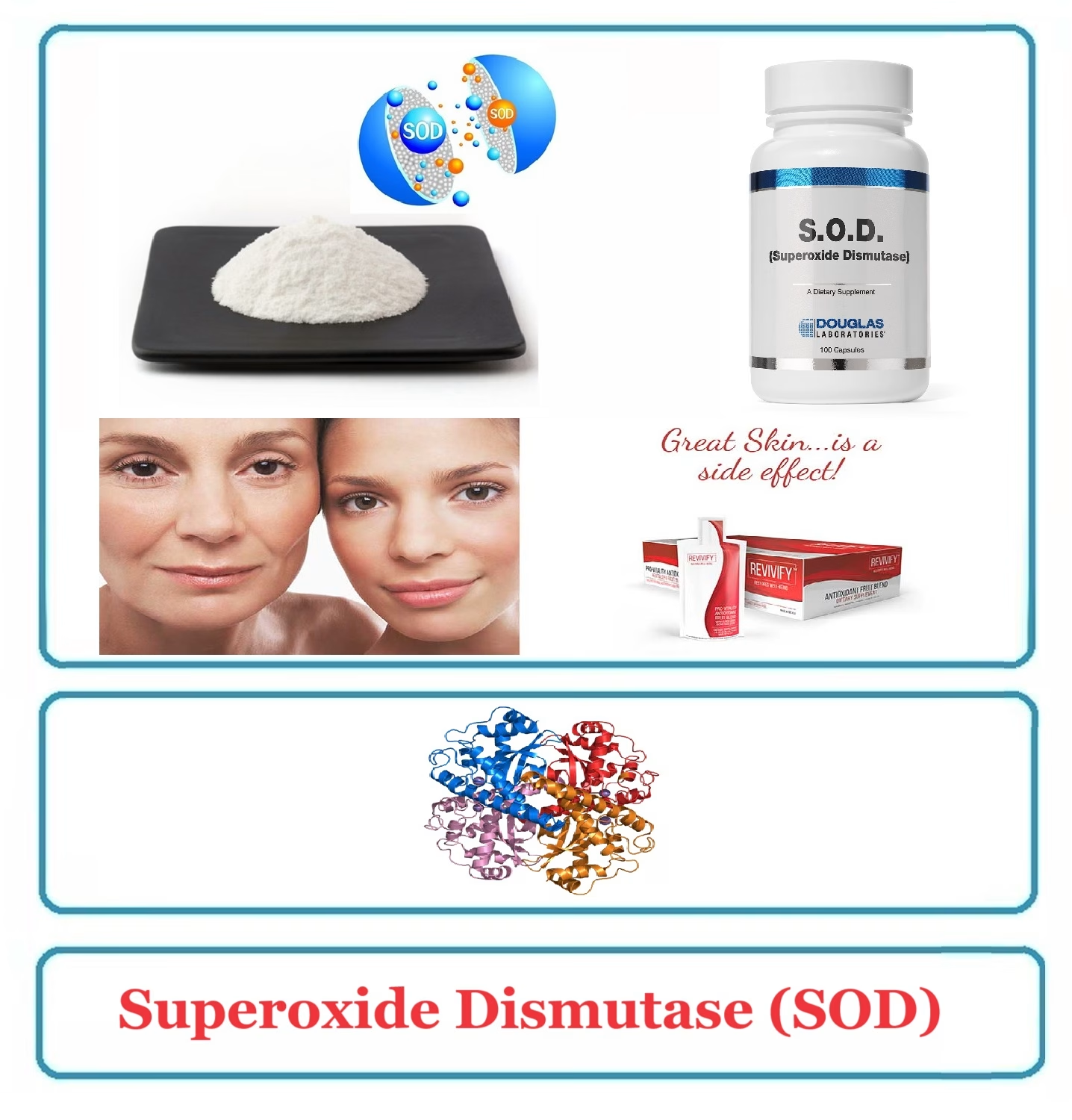
Superoxide Dismutase (SOD) is an enzymatic antioxidant that catalyzes one of the primary defensive reactions against superoxide radicals. In cosmetic formulation, SOD is positioned as a biologically active antioxidant rather than as a conventional stoichiometric radical scavenger, because the enzyme can repeatedly convert superoxide into less reactive products while catalytic activity is preserved.
Chemical & Technical Profile
| INCI / Identity | Superoxide Dismutase |
|---|---|
| CAS No. | Enzyme; CAS varies by source |
| Molecular Formula | Protein enzyme |
| Molecular Weight | Source-dependent |
| Physical Form | White to off-white powder or lyophilized enzyme preparation |
| Solubility | Water-dispersible / water-soluble depending on grade |
| Functional Category | Antioxidant enzyme active |
Mechanism of Action / Technical Function
SOD catalyzes the dismutation of two superoxide anions into molecular oxygen and hydrogen peroxide. The resulting hydrogen peroxide can then be processed by endogenous catalase and peroxidase systems. This catalytic mechanism is fundamentally different from small-molecule antioxidants such as tocopherol or ferulic acid, which are consumed during redox reactions. Enzyme activity therefore depends on preservation of tertiary structure, metal cofactor integrity, and freedom from denaturing conditions.
Formulation Guidelines
Handle SOD as a heat- and shear-sensitive protein active. Reconstitute or disperse in cool purified water and add during the final cool-down stage, preferably below typical hot-process temperatures. Avoid strong acids, strong alkalis, oxidizing preservatives, high alcohol levels, and aggressive surfactant environments that can denature the enzyme. In emulsions, add after the emulsion has cooled and equilibrated. Enzyme activity should be considered separately from simple protein assay; a formulation can retain protein while losing catalytic performance.
Compatibility & Stability
Critical stability variables are temperature, pH, oxidation state, proteolytic degradation, and compatibility with preservatives. Where possible, QC should include enzymatic activity rather than appearance alone. Color, odor, pH, and microbial robustness remain essential routine controls.
R&D, Scale-Up & Quality Control
Critical quality attributes for Superoxide Dismutase (SOD) include enzyme identity/activity, pH, appearance, and microbiological quality.
Packaging, Shipping & Storage
Supplied in sealed, moisture-protective packaging. Keep tightly closed and protected from heat and humidity; refrigerated storage is preferred for long-term preservation of enzymatic activity. Minimize warm transit duration.
Estimated Delivery: 10–15 Business Days
Applications
Antioxidant serums, facial gels, eye-area products, post-environmental-stress skin care, emulsions, and advanced enzyme-based cosmetic systems.

Reviews
There are no reviews yet.